
The modern healthcare landscape is undergoing rapid transformation driven by the integration of sophisticated technologies and molecular biology breakthroughs. This article provides a technical overview of recent innovations reshaping clinical practice, focusing on advancements that promise to enhance precision and efficacy in patient care.
We examine the pivotal progress in targeted therapeutic strategies for chronic conditions and the accelerating role of pharmacogenomics in driving personalized medicine models. Concurrently, we address the critical intersection of mental health care with digital technologies, highlighting scalable solutions for access and monitoring.
Furthermore, this analysis details the evolution of global immunization strategies, recent empirical findings in nutritional science, and the implementation of Artificial Intelligence (AI) to enhance diagnostic capabilities, ensuring a comprehensive view of the latest cutting-edge discoveries impacting global health.
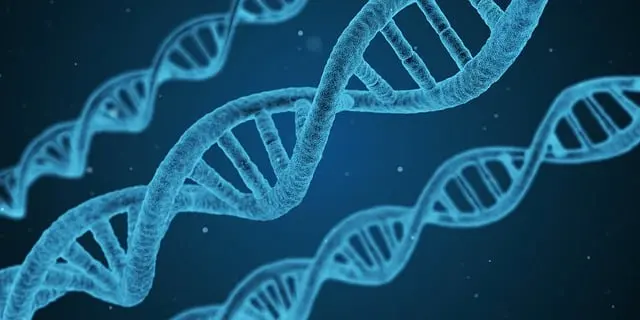
New treatments for chronic diseases: advances in research and clinical trials

(Image: Pixabay/@qimono)
Research into pervasive chronic diseases, including neurodegenerative disorders like Alzheimer's and complex autoimmune conditions, is increasingly focused on identifying and neutralizing high-specificity molecular targets. The proliferation of advanced biologics, particularly monoclonal antibodies (mAbs) and targeted small molecule inhibitors, facilitates precise intervention in specific pathological pathways. This high level of specificity is designed to modulate disease progression effectively while minimizing the systemic toxicity traditionally associated with broad-spectrum pharmaceutical agents.
Clinical trials are currently expanding the scope of gene therapy beyond rare monogenic disorders. Utilizing advanced tools such as CRISPR-Cas9, researchers are investigating the potential for curative treatments in more prevalent chronic conditions. These methodologies aim to correct underlying genetic abnormalities or precisely modulate the expression of genes involved in chronic inflammation, metabolic dysfunction, or pathogenic protein aggregation, representing a fundamental shift towards addressing the root causes of long-term illness.
Impact of personalized medicine: pharmacogenomics and tailored therapies

(Image: Pixabay/@TyliJura)
Personalized medicine is fundamentally reliant on pharmacogenomics (PGx), which studies how variations in an individual's genome influence their response to pharmacological agents. The identification of polymorphisms in genes coding for drug-metabolizing enzymes (e.g., the Cytochrome P450 family) and specific drug receptors allows clinicians to predict drug efficacy, potential toxicity, and optimal therapeutic dosing. This genomic stratification enables the deployment of evidence-based, individualized treatment plans, significantly improving therapeutic indices and mitigating the risk of Adverse Drug Reactions (ADRs).
The systematic integration of extensive genomic and whole-exome sequencing into standard clinical procedures is accelerating the deployment of highly tailored therapies, especially within the field of oncology. Here, the characterization of tumor mutation load and specific driver mutations dictates the selection of targeted agents. This rigorous, genetically informed approach is transforming therapeutic selection from an empirical process into a precise, predictive discipline grounded in an individual's unique molecular profile.
Mental health in the digital age: challenges and technological solutions

(Image: Pixabay/@1388843)
The expansion of digital connectivity has generated both new stressors and innovative solutions for mental healthcare access and delivery. Telepsychiatry and remote behavioral health platforms have critically reduced geographical and logistical barriers to care, making specialized consultation available in previously underserved regions. However, technical complexities related to maintaining patient data security, ensuring platform usability across diverse populations, and achieving consistent regulatory compliance remain ongoing challenges for widespread adoption.
Technological solutions are integrating advanced passive sensing mechanisms via smartphones and wearable devices to collect objective biometric and behavioral data, such as heart rate variability, sleep quality, and activity levels. This data is leveraged for the development of predictive analytic models that can signal early relapse indicators or mood instability. Furthermore, sophisticated AI-driven conversational agents and Virtual Reality (VR) environments are being employed to deliver accessible Cognitive Behavioral Therapy (CBT) modules and controlled exposure therapy, supplementing traditional clinical interventions.
Vaccine updates and global immunization campaigns

(Image: Pixabay/@neelam279)
The demonstrated success and high efficacy of mRNA vaccine technology have spurred massive research investment into novel immunization platforms targeting infectious diseases and non-communicable conditions like various cancer types. These platforms offer unparalleled speed and flexibility in design and manufacturing, allowing rapid modification of antigen components in response to emerging viral variants or newly characterized tumor antigens, thereby significantly reducing the typical timeline for vaccine development.
Effective global immunization campaigns necessitate robust logistical frameworks, primarily centered on maintaining an unbroken cold chain for temperature-sensitive products and implementing secure digital surveillance systems for tracking coverage. Modern public health strategies increasingly focus on localized micro-planning and engaging data-driven behavioral science to counter pervasive vaccine hesitancy. These efforts are crucial for achieving and sustaining the high population immunity thresholds required to prevent widespread outbreaks of highly transmissible pathogens.
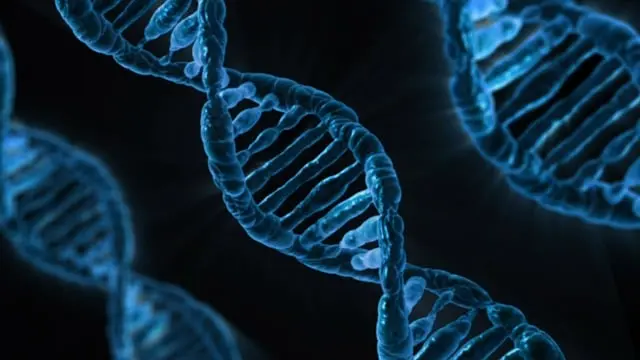
Nutritional science breakthroughs: latest research on diets and supplements
(Image: Pixabay/@PublicDomainPictures)
Contemporary nutritional science places significant emphasis on the symbiotic relationship between diet and the gut microbiome, recognizing the latter as a critical modulator of human metabolic, immune, and neuroendocrine systems. Ongoing research is precisely delineating the functional effects of targeted prebiotics, probiotics, and complex dietary fibers on microbial diversity and function. This work is enabling the refinement of dietary guidelines, moving toward recommendations that are customized based on an individual's unique microbiome profile and functional metabolites.
The progression toward personalized nutrition involves the integration of individual genetic information, metabolic markers, and physiological responses (e.g., continuous glucose monitoring data) to optimize nutrient intake specifically for chronic disease prevention and management. Concurrently, rigorous clinical research is focused on establishing the true bioavailability, mechanistic action, and evidence-based therapeutic dose for various bioactive compounds and dietary supplements, thereby separating empirically supported claims from unsubstantiated nutritional assertions.
Technological advancements in diagnostics: AI and imaging in early disease detection

(Image: Pixabay/@cromaconceptovisual)
Artificial Intelligence, particularly deep learning and convolutional neural networks, is rapidly revolutionizing medical diagnostics by enhancing the capacity for analysis of complex datasets. In areas such as radiology, pathology, and ophthalmology, AI algorithms are trained on extensive image repositories to identify minute or ambiguous pathological markers with superior consistency and speed compared to human analysis. This capability is instrumental in improving the sensitivity and efficiency of early disease detection, particularly in screening programs for cancer and cardiovascular disease.
Beyond traditional imaging, advancements in molecular diagnostics, such as highly sensitive liquid biopsies, enable the non-invasive detection of disease indicators like circulating tumor DNA (ctDNA) or exosomal cargo in patient blood samples. When combined with sophisticated machine learning pipelines, these techniques facilitate minimally invasive monitoring of treatment efficacy, detection of residual disease, and the development of predictive algorithms capable of forecasting disease progression long before overt clinical symptoms manifest.
Conclusion
The current trajectory of health innovation is defined by a powerful convergence of biological precision (driven by genomics and molecular biology) and computational strength (enabled by AI and advanced diagnostics). These synergistic advancements are rapidly shifting the medical paradigm away from reactive symptom management towards proactive, personalized intervention designed for individual physiological contexts.
Sustained, strategic investment in the ethical deployment and rigorous clinical translation of these cutting-edge discoveries is paramount. The successful integration of these technological and scientific breakthroughs holds the definitive potential to dramatically improve clinical outcomes, enhance patient quality of life, and achieve more equitable global health standards.