

The legislative landscape of Capitol Hill is constantly shifting, serving not just as the seat of American governance but as a primary determinant of global stability and economic direction. Understanding the nuanced debates and strategic maneuvers taking place in Washington is essential for comprehending national policy evolution and international diplomacy.
This article provides a journalistic dissection of the current political environment, ranging from the fierce legislative battles over spending and regulation to the delicate diplomatic shifts redefining America's place on the world stage. We will explore the critical junctures of upcoming elections, scrutinize ethical challenges facing high-ranking officials, and analyze how political uncertainty ripples through global financial markets, all while tracking the mercurial nature of public opinion through the latest polling data.
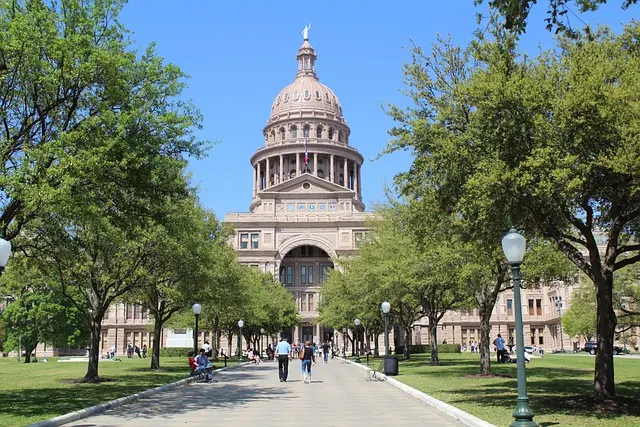
Key legislative debates currently shaping national policy
(Image: Pixabay/@kbhall17)
The current session of Congress is defined by intense partisan division, particularly concerning major budgetary and social reform packages. Key debates often center on annual appropriation bills, where disagreements over spending caps and specific allocations—ranging from defense modernization to climate change initiatives—frequently threaten government shutdowns. These high-stakes negotiations require leaders to constantly balance ideological demands from their bases with the practical need for governing, often resulting in complex, omnibus legislation passed under significant time pressure.
Beyond budgetary concerns, significant policy discussions are dominating the floor, notably regarding immigration reform and tech regulation. Efforts to overhaul immigration laws remain stalled due to deep political divides on border security versus pathways to citizenship. Simultaneously, lawmakers are grappling with how to regulate rapidly evolving technologies, including artificial intelligence and social media platforms, seeking to address concerns over data privacy, market concentration, and national security implications. The outcomes of these legislative efforts will set the precedent for decades of US domestic policy.
Updates on upcoming electoral cycles and campaign strategies

(Image: Pixabay/@OrnaW)
Attention is rapidly shifting toward the upcoming electoral cycles, which promise significant implications for the balance of power on Capitol Hill and within the executive branch. Campaigns are already utilizing sophisticated micro-targeting and digital mobilization techniques, moving beyond traditional broadcast advertising. Data analytics and real-time voter sentiment tracking are crucial tools, allowing candidates to tailor messages instantly, focusing on localized issues while maintaining a consistent national narrative.
Crucial Senate and House races are emerging as barometers for public approval of the current administration and the opposition party’s viability. Campaign strategies in these swing districts often prioritize economic stability, healthcare affordability, and cultural issues. Furthermore, the role of political action committees (PACs) and independent expenditures continues to inflate campaign spending, creating a resource-intensive environment where financial backing often dictates the reach and effectiveness of candidate platforms.
Diplomatic shifts and how politicians are influencing foreign policy

(Image: Pixabay/@PuppypawsAZ)
While the Executive Branch traditionally steers foreign policy, members of Congress exert considerable influence through legislative oversight, control over military funding, and the ratification of treaties. Recent diplomatic shifts have focused heavily on bolstering alliances in the Indo-Pacific region and addressing the ongoing conflicts in Eastern Europe and the Middle East. Lawmakers play a critical role in shaping sanctions policy and determining the scale of foreign aid, effectively wielding economic pressure as a diplomatic tool.
Bipartisan efforts are often evident in areas deemed critical to national security, such as maintaining strong defense ties with NATO partners and countering cyber threats from adversarial states. However, internal political discord can sometimes complicate international partnerships, as foreign leaders closely monitor the rhetoric and legislative action emerging from Capitol Hill to gauge the reliability and long-term commitment of the United States to global agreements and security guarantees.
Investigations and ethical concerns surrounding public officials

(Image: Pixabay/@Mohamed_hassan)
Ethical scrutiny remains a constant factor in Washington, with several high-profile investigations currently underway involving public officials from both major parties. These inquiries often pertain to financial disclosures, conflicts of interest, and the misuse of official positions for personal or political gain. The outcome of such investigations carries significant weight, potentially undermining public trust and leading to resignations or official censure.
Congressional ethics committees and the Department of Justice frequently handle these cases, attempting to enforce standards of conduct crucial for maintaining the integrity of the political system. The nature of these inquiries is highly sensitive, and while due process is paramount, the media coverage often fuels political polarization, turning complex legal matters into central talking points in political debates and public discourse.
Political decisions affecting national and global financial markets

(Image: Pixabay/@sergeitokmakov)
Decisions made in Washington have immediate and profound consequences for financial stability worldwide. Debates surrounding the national debt ceiling, tax policy reforms, and regulatory shifts in sectors like banking and energy are meticulously tracked by investors. Periods of legislative uncertainty, such as delays in passing budget bills or threats of default, typically introduce volatility into domestic and international markets, affecting everything from currency valuations to commodity prices.
Furthermore, political maneuvering on trade agreements and tariffs directly impacts global supply chains and corporate profitability. When politicians introduce or threaten new barriers, companies worldwide must adjust their operations, which can lead to inflationary pressures or shifts in manufacturing bases. Thus, the relationship between Capitol Hill and Wall Street is intrinsically linked, making political risk a fundamental consideration for global economic forecasting.
Analysis of recent political polls and shifts in public sentiment

(Image: Pixabay/@AS_Photography)
Political polls serve as a vital snapshot of the electorate's mood, tracking approval ratings for key figures and identifying which issues resonate most deeply with voters. Recent analyses indicate continued high levels of political polarization, with core demographic groups remaining loyal to their respective parties, though independent and swing voters continue to determine outcomes in tightly contested areas. The key issue sets currently driving public sentiment include inflation, crime rates, and the accessibility of healthcare.
Shifts in public sentiment often force political leaders to adjust their priorities or messaging. For example, if polling shows increasing concern over a specific foreign policy issue, politicians quickly pivot to address those fears. However, the reliability of polls is frequently debated, especially following cycles where results deviated significantly from actual outcomes, leading to increased scrutiny of methodology, sampling, and the impact of non-response bias.
Conclusion
The environment on Capitol Hill is a dynamic confluence of legislative struggle, strategic electoral positioning, complex diplomatic maneuvering, and persistent ethical oversight. Every legislative battle and political decision carries weight, influencing not only domestic policy but setting ripples across global financial markets and international relations.
As policymakers navigate this environment, the vigilance of the press and the engagement of the public remain critical. The outcomes of these ongoing political contests will fundamentally shape the trajectory of the nation and its standing in the world, underscoring the necessity of decoding the actions and implications emanating from Washington, D.C.