
The landscape of modern medicine is undergoing an unprecedented transformation driven by technological innovation and deeper biological understanding. This article decodes the most recent and critical advancements shaping healthcare, offering an instructional guide to the cutting-edge science redefining wellness and treatment protocols.
We will examine the integration of Artificial Intelligence in improving early disease detection and tailoring personalized treatments. Furthermore, we explore evolving therapeutic approaches addressing global mental health challenges, specifically focusing on burnout and anxiety management. A significant portion is dedicated to the latest personalized nutrition findings, highlighting the crucial role of the human microbiome. Finally, we review global efforts in vaccine research and pandemic preparedness, alongside novel strategies for managing chronic diseases and the pivotal scientific quest for human longevity.
The growing role of Artificial Intelligence in early disease detection and personalized medicine
(Image: Pixabay/@PIRO4D)
Artificial Intelligence (AI), particularly through deep learning algorithms, is revolutionizing clinical diagnostics by vastly improving the speed and accuracy of pattern recognition in medical imaging and pathological slides. AI systems are increasingly deployed to analyze mammograms, CT scans, and retinal images, often identifying minute anomalies that precede human expert diagnosis. These algorithms function as powerful predictive tools, capable of processing large genomic and clinical datasets to stratify patient risk for diseases such as cancer, cardiovascular conditions, and neurodegenerative disorders years before symptomatic onset. This capability shifts the clinical paradigm towards proactive, preventative care rather than reactive treatment.
In personalized medicine, AI is critical for optimizing therapeutic strategies. By integrating a patient’s unique data—including genetic profiles, environmental factors, lifestyle metrics, and real-time physiological sensor data—AI constructs highly detailed predictive models. These models inform drug selection and dosage optimization, ensuring treatments are maximally effective while minimizing adverse side effects. This hyper-personalization extends to pharmacogenomics, where machine learning predicts how specific genetic markers influence drug metabolism, moving the industry closer to precision prescribing and targeted intervention.
New treatments and approaches for managing mental health challenges, including burnout and anxiety

(Image: Pixabay/@padrinan)
The current scientific focus on mental health management emphasizes multimodal interventions beyond traditional pharmacology and cognitive behavioral therapy (CBT). Breakthroughs include the rigorous study of psychedelic-assisted therapy (e.g., psilocybin and MDMA) for severe depression, PTSD, and anxiety. These treatments are characterized by guided therapeutic sessions aimed at achieving profound neuroplastic changes, offering potential long-term remission in treatment-resistant cases. Furthermore, non-invasive neuromodulation techniques, such as Transcranial Magnetic Stimulation (TMS) and Transcranial Direct Current Stimulation (tDCS), are gaining acceptance as targeted interventions for specific neural circuits implicated in mood and anxiety disorders.
Addressing modern challenges like occupational burnout requires systemic and biologically informed strategies. Research indicates that burnout is linked to chronic activation of the Hypothalamic-Pituitary-Adrenal (HPA) axis, resulting in cortisol dysregulation and systemic inflammation. Novel interventions therefore often integrate biofeedback and mindfulness techniques, supported by personalized nutritional and sleep optimization plans, aiming to restore physiological homeostasis. Telehealth and digital therapeutics (DTx) also play a crucial role, providing scalable, accessible tools—often utilizing gamification and AI-driven personalized coaching—to monitor stress biomarkers and manage anxiety symptoms in real-time.
Latest scientific findings on personalized nutrition, focusing on the microbiome and dietary recommendations

(Image: Pixabay/@Pexels)
Personalized nutrition has moved beyond broad dietary guidelines, now centering on the complex and diverse interactions within the gut microbiome. Recent findings confirm that the composition of an individual’s microbiota profoundly impacts nutrient absorption, metabolic function, immune system regulation, and even neurological health (the gut-brain axis). Scientists are developing highly specific profiles of beneficial and detrimental microbial species, using advanced sequencing technologies to link unique microbial signatures to individual susceptibility to chronic conditions like type 2 diabetes, obesity, and inflammatory bowel diseases (IBD).
The resulting personalized dietary recommendations are becoming highly granular, often based on real-time glucose monitoring and post-prandial inflammatory responses modulated by specific food-microbe interactions. Instead of universal "good" or "bad" foods, recommendations are tailored to optimize the functional capabilities of the host microbiome. This involves precise intake recommendations for prebiotics, probiotics, and postbiotics, coupled with detailed timing and combination strategies for macronutrients, ensuring maximal metabolic efficiency and reduced systemic inflammation tailored to the individual's metabolic phenotype.
Updates on global research into vaccines, infectious diseases, and preparation for future pandemics
(Image: Pixabay/@Alexandra_Koch)
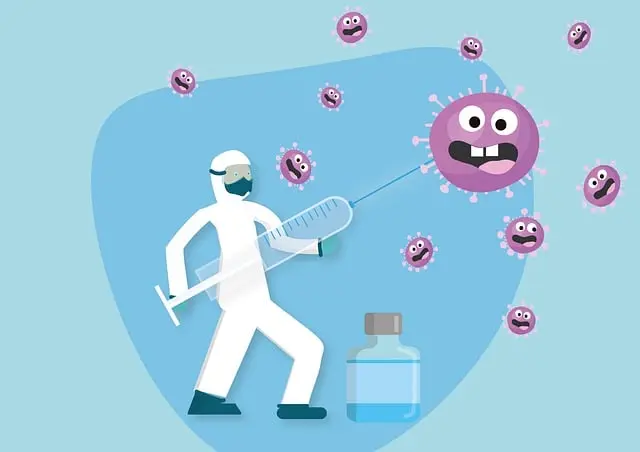
The global response to recent infectious disease outbreaks has catalyzed significant investment and innovation in vaccinology, notably accelerating the development and implementation of mRNA and viral vector platforms. These technologies offer unprecedented speed in vaccine design and manufacturing scalability, enabling rapid adaptation to emerging variants or novel pathogens. Current research focuses on pan-coronavirus and pan-influenza vaccines designed to confer broad immunity against entire families of viruses, reducing the constant need for strain-specific annual reformulation.
Preparation for future pandemics is evolving beyond simply developing countermeasures. It now emphasizes enhancing global surveillance systems, utilizing advanced genomics and wastewater epidemiology to detect early pathogen spillover events. Furthermore, the establishment of decentralized manufacturing hubs and the strategic stockpiling of critical raw materials are being prioritized. Crucially, research into novel broad-spectrum antivirals and monoclonal antibodies capable of neutralizing diverse viral threats provides essential secondary defense lines, complementing primary vaccination efforts and strengthening health security infrastructure worldwide.
Innovations in chronic disease management, such as advanced monitoring devices and genetic therapies

(Image: Pixabay/@stevepb)
Chronic disease management is being redefined by the integration of sophisticated monitoring technology and targeted genetic interventions. Advanced continuous monitoring devices, particularly for conditions like diabetes and hypertension, provide clinicians and patients with high-fidelity, longitudinal data streams. These wearable and implantable sensors track multiple physiological parameters—glucose, heart rhythm, respiration, and activity levels—allowing for dynamic adjustments to treatment plans in response to subtle deviations, improving therapeutic efficacy, and preventing acute exacerbations.
Simultaneously, genetic therapies are moving into clinical reality for treating previously intractable chronic disorders. CRISPR-Cas9 technology, for example, is being explored to correct pathogenic mutations associated with cardiovascular diseases, sickle cell anemia, and certain neurodegenerative conditions. Beyond gene editing, RNA interference (RNAi) and antisense oligonucleotide (ASO) therapies are used to silence or modulate the expression of problematic genes or proteins, offering targeted pharmacological precision that addresses the fundamental molecular drivers of chronic pathology rather than merely treating symptoms.
Scientific breakthroughs and practical strategies aimed at extending human longevity and reversing biological aging

(Image: Pixabay/@qimono)
Research into human longevity focuses intensely on understanding the "hallmarks of aging"—cellular senescence, mitochondrial dysfunction, altered intercellular communication, and telomere attrition. Significant breakthroughs involve the development of senolytics, compounds designed to selectively clear senescent ("zombie") cells, which accumulate with age and drive systemic inflammation. Early clinical trials suggest that targeted senolytic intervention can improve physical function and reduce markers of chronic disease in older adults, signaling a direct pharmacological pathway to modulate the aging process.
Practical strategies increasingly center on metabolic reprogramming, often mediated through targeted interventions like caloric restriction mimetics (e.g., rapamycin and metformin) and NAD+ precursors (e.g., NMN and NR). These compounds aim to enhance cellular repair mechanisms, improve mitochondrial health, and activate survival pathways (sirtuins) that are naturally downregulated with age. While deep biological reversal remains the goal, current clinical consensus supports integrating these molecular interventions with personalized lifestyle management—focused on specific resistance training, optimized sleep hygiene, and nutrient density—to maximize healthspan alongside lifespan.
Conclusion
The current era of health breakthroughs is characterized by rapid technological assimilation and a shift toward highly personalized, preventative strategies. From leveraging AI to predict health risks and crafting individualized nutritional plans based on microbiome analysis, to implementing advanced genetic therapies and senolytic compounds, the trajectory of modern medicine is fundamentally altering human health outcomes. Navigating these advancements requires a technical and instructional approach, ensuring that both clinicians and patients can effectively integrate these sophisticated tools and knowledge into practice, driving measurable improvements in global longevity and quality of life.