

The global health landscape is undergoing a rapid evolution driven by technological advancements and refined epidemiological understanding. This analysis provides essential updates across critical sectors, ranging from novel therapeutic modalities for chronic conditions like cancer and diabetes to sophisticated strategies in vaccine development.
We will examine the operational shifts in public health preparedness, the integration of digital therapeutics (DTx) for mental health management, and the pivotal movement toward personalized medicine rooted in genetic data. Furthermore, we address key scientific revisions in nutrition and highlight the disruptive role of technological innovations in diagnostics and remote patient monitoring systems, providing a technical overview of the current state of healthcare innovation.
Breakthroughs in chronic disease treatment, focusing on cancer and diabetes research.

(Image: Pixabay/@tiburi)
In oncology, recent progress is characterized by the refinement of targeted therapies and immuno-oncology protocols. Specifically, Chimeric Antigen Receptor (CAR) T-cell therapy has expanded beyond hematological malignancies, demonstrating promise in solid tumors through advanced engineering techniques designed to overcome the tumor microenvironment (TME) resistance. Furthermore, the focus has shifted toward developing bispecific and trispecific antibodies that can simultaneously target multiple cancer-associated antigens, significantly enhancing therapeutic specificity and reducing off-target systemic toxicity.
Diabetes research continues to leverage both pharmacological innovation and cell therapy. The adoption of Glucagon-Like Peptide-1 (GLP-1) receptor agonists has profoundly altered Type 2 diabetes management, moving beyond glycemic control to incorporate significant cardiovascular risk reduction and weight management benefits. For Type 1 diabetes, encapsulated islet cell transplantation—utilizing semipermeable membranes to protect allogeneic beta cells from immune destruction—represents a crucial step toward functional cure, minimizing the need for systemic immunosuppression.
Latest developments in vaccine research and public health campaigns against emerging threats.

(Image: Pixabay/@Mohamed_hassan)
The mRNA platform, initially validated during the SARS-CoV-2 pandemic, is now rapidly being applied to high-priority pathogens including HIV, malaria, and various oncological targets. Developers are focusing on enhancing thermostability and utilizing self-amplifying RNA (saRNA) technology, which allows for lower dosage requirements and potentially stronger, longer-lasting immune responses. This modular approach significantly shortens the interval between pathogen identification and clinical trial initiation, fundamentally changing pandemic response preparedness.
Public health strategies are increasingly reliant on sophisticated, data-driven surveillance systems. Key initiatives include the integration of artificial intelligence (AI) for predictive modeling of infectious disease spread and expanded wastewater epidemiology, which offers a non-invasive, near real-time assessment of community-level pathogen prevalence (viral loads, antibiotic resistance). These technical infrastructure upgrades are critical components of global health security frameworks aimed at detecting and mitigating emerging zoonotic and vector-borne threats before they escalate.
Mental health awareness and the adoption of new digital therapeutic approaches.

(Image: Pixabay/@StockSnap)
The recognition of mental health disorders as primary public health crises has spurred investment in scalable, evidence-based interventions. Traditional pharmacological and psychotherapy models are being augmented by regulated Digital Therapeutics (DTx). DTx refers to software programs defined as Software as a Medical Device (SaMD), clinically validated to treat, manage, or prevent a medical condition, such as cognitive behavioral therapy (CBT) programs delivered via smartphone applications.
Successful DTx deployment requires rigorous clinical trials demonstrating efficacy equivalent to or superior to conventional care, and subsequent regulatory approval (e.g., FDA clearance). These tools offer substantial advantages in accessibility and consistency of delivery, particularly in underserved populations, addressing barriers related to cost and geographical location. Current research focuses on integrating biometric data from wearables with DTx to personalize intervention timing and content, optimizing engagement and outcomes for conditions like major depressive disorder (MDD) and generalized anxiety disorder (GAD).
The growing role of personalized medicine and genetics in future healthcare strategies.
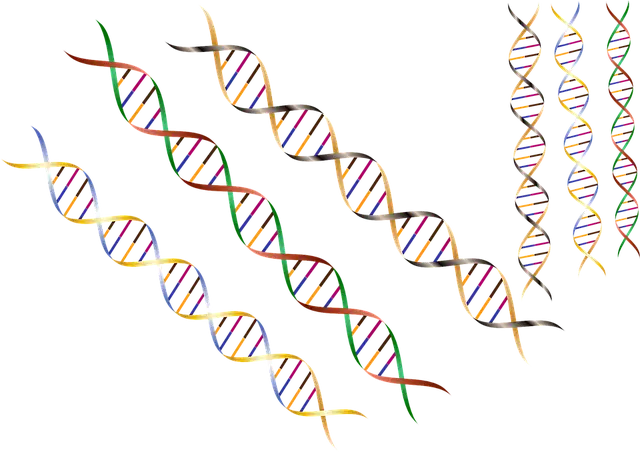
(Image: Pixabay/@amorimbiotec)
Personalized medicine, or precision medicine, represents a paradigm shift from 'one-size-fits-all' treatments toward interventions tailored to an individual’s unique genetic, environmental, and lifestyle factors. Pharmacogenomics (PGx) remains a cornerstone, utilizing whole-exome sequencing or targeted genetic panels to predict a patient's response to specific pharmaceuticals, thereby minimizing adverse drug reactions and maximizing therapeutic efficacy, especially in areas like psychiatry and cardiovascular care.
The accessibility of high-throughput genetic sequencing is enabling large-scale population studies that refine disease risk stratification. Integrating genomic data with clinical Electronic Health Records (EHRs) allows clinicians to proactively identify individuals at high risk for polygenic diseases (e.g., certain cancers, Alzheimer's disease) years before symptom onset, facilitating precision screening protocols and preventative interventions. This data integration requires sophisticated bioinformatics platforms to manage and interpret massive datasets securely and ethically.
Critical updates in nutrition science and how to debunk common dietary myths.

(Image: Pixabay/@PublicDomainPictures)
Contemporary nutrition science is shifting emphasis from broad macronutrient guidelines to the understanding of individualized metabolic responses, a field often termed nutrigenomics. Research increasingly confirms that dietary interventions must account for genetic predispositions, gut microbiome composition, and specific biomarkers (such as plasma glucose or lipid response) to be optimally effective. This nuanced view challenges generic advice and promotes customized dietary planning based on biological variability.
Furthermore, critical updates debunk several prevalent dietary myths. For instance, the absolute rigidity surrounding saturated fat intake is being re-evaluated; current evidence differentiates between various types of saturated fats and emphasizes the negative role of refined carbohydrates and highly processed foods as the primary drivers of metabolic dysfunction. Instructional updates focus on teaching patients to interpret scientific literature critically, distinguishing between high-quality randomized controlled trials (RCTs) and correlational studies often cited in popular media.
Technological innovations accelerating diagnostics and remote patient monitoring systems.

(Image: Pixabay/@Powie)
Technological innovations are drastically reducing the time required for accurate diagnosis. Point-of-Care Diagnostics (POCD) systems are becoming miniaturized, incorporating microfluidic technology and biosensors to provide immediate, laboratory-quality results outside traditional clinical settings. AI algorithms are being integrated into radiology and pathology, significantly accelerating image analysis, detecting subtle abnormalities that human eyes might miss, and reducing diagnostic variability.
Remote Patient Monitoring (RPM) systems utilize connected sensor technology (wearable devices, smart textiles, continuous glucose monitors) to capture physiological data asynchronously. These systems facilitate proactive health management by transmitting crucial metrics—such as heart rate variability, sleep quality, and activity levels—to care teams. The instructional focus for RPM implementation centers on securing data integrity, ensuring compliance with privacy regulations (e.g., HIPAA/GDPR), and developing clinically actionable alerts that prevent unnecessary hospitalizations while managing chronic conditions effectively.
Conclusion
The current epoch of global health is defined by unprecedented integration—of genetic data into clinical practice, of digital tools into therapeutic protocols, and of AI into diagnostic workflows. These technical advancements are rapidly driving healthcare toward models that are fundamentally more personalized, preventive, and accessible. Sustaining this momentum requires continued investment in foundational scientific research and the establishment of robust regulatory frameworks to ensure these transformative technologies are deployed safely and equitably across the global population.