

The global health landscape is undergoing rapid transformation, driven by unprecedented technological advancements and evolving biological threats. This technical review offers a necessary update on the most critical areas defining modern medicine and public health strategy. Our focus ranges from the highly personalized treatments derived from genomic data to global efforts to contain novel pathogens, emphasizing the integration of artificial intelligence and fundamental shifts in wellness paradigms.
We will examine six critical domains: the move towards Personalized Medicine, the imperative of Emerging Infectious Diseases surveillance, the structural changes characterizing the Mental Wellness Revolution, recent findings in Nutritional Science, the accelerating role of AI in Diagnostics, and the cutting-edge methodologies defining the modern Vaccine Development Pipeline. Understanding these breakthroughs is essential for clinicians, researchers, and public health officials aiming to optimize human health outcomes globally.
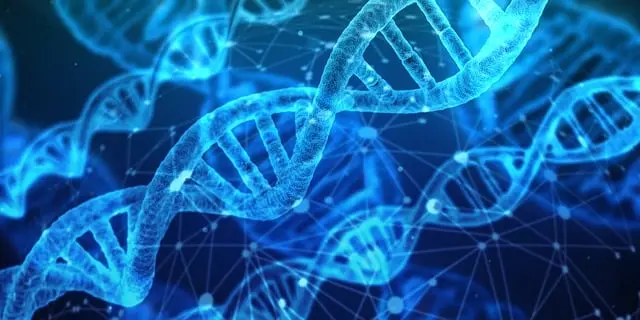
Personalized Medicine: Tailoring treatments based on genetic data.
(Image: Pixabay/@geralt)
Personalized Medicine (PM), often referred to as precision medicine, represents a paradigm shift from population-level drug administration to individualized therapeutic strategies. The foundation of PM relies heavily on advanced sequencing technologies that provide comprehensive genomic, transcriptomic, and proteomic profiles of individual patients and their specific disease states. This high-resolution biological data enables clinicians to predict drug efficacy, identify specific therapeutic targets, and estimate potential adverse effects with much greater accuracy than traditional methods.
A key application is pharmacogenomics, which utilizes genetic markers to determine optimal drug dosage and selection. For instance, testing for specific alleles in cytochrome P450 enzymes (CYP450) dictates the metabolism rate of numerous common medications, preventing subtherapeutic dosing or drug toxicity. Furthermore, in oncology, precision medicine dictates treatment selection based on the somatic mutations present in the tumor, allowing the use of highly targeted therapies, such as tyrosine kinase inhibitors, which significantly improves response rates and prognosis compared to broad-spectrum chemotherapy protocols.
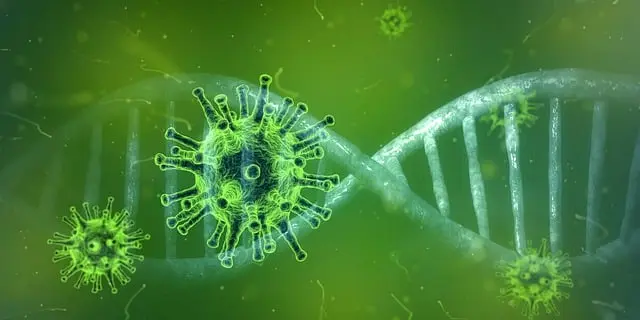
Emerging Infectious Diseases: Monitoring global outbreaks and prevention strategies.
(Image: Pixabay/@TheDigitalArtist)
The ongoing threat posed by Emerging Infectious Diseases (EIDs) necessitates continuous global surveillance and rapid response capabilities. Epidemiological monitoring now integrates advanced data analytics and genomic sequencing of pathogens to track spillover events, mutation rates, and transmission dynamics in near real-time. Crucial to this effort is the expansion of ‘One Health’ approaches, acknowledging that human, animal, and environmental health are intrinsically linked, particularly concerning zoonotic diseases, which represent the majority of EID threats.
Prevention strategies are increasingly focused on improving early warning systems. This involves not only enhancing laboratory capacity in resource-limited settings but also deploying non-traditional surveillance methods, such as wastewater epidemiology, to detect community transmission of viral and bacterial agents before clinical cases overload healthcare systems. Robust international collaboration—facilitated by organizations like the WHO and regional centers—remains the primary operational mechanism for containing outbreaks and coordinating effective global countermeasures, including the strategic deployment of prophylactic agents and rapid diagnostics.
Mental Wellness Revolution: New approaches in therapy and accessible resources.

(Image: Pixabay/@GDJ)
The field of mental wellness is experiencing a revolutionary shift, moving beyond traditional, centralized models towards technologically integrated and biologically informed approaches. Teletherapy and digital therapeutics (DTx) are dramatically improving access to evidence-based treatments, such as cognitive-behavioral therapy (CBT), often leveraging mobile applications for routine monitoring, mood tracking, and scalable intervention delivery. This accessibility is critical for addressing the global burden of mental illness, particularly in underserved populations.
Concurrently, research is driving deeper neurobiological understanding and novel pharmacological interventions. There is significant clinical interest in the therapeutic potential of psychedelic-assisted therapy for conditions like treatment-resistant depression and PTSD, operating under controlled clinical environments. Furthermore, personalized mental health care is advancing through biomarker identification and neurofeedback technologies, aiming to tailor psychiatric treatment based on individual neural network activity and genetic predispositions, thus moving away from empirical trial-and-error prescribing.
Nutritional Science Updates: Debunking common dietary myths and optimizing health.

(Image: Pixabay/@stevepb)
Modern nutritional science continues to refine our understanding of human metabolism, often challenging long-held, generalized dietary recommendations. Contemporary research emphasizes bio-individuality, recognizing that genetic variations, lifestyle factors, and, crucially, the composition of the gut microbiome, dictate how individuals respond to specific macronutrients and micronutrients. This focus shifts the priority from simple caloric restriction to optimizing metabolic function and nutrient density.
One critical area of optimization involves the gut microbiome—the complex community of microorganisms residing in the digestive tract. The microbiome is now understood to be central to immune regulation, nutrient absorption, and even neurotransmitter production. Strategies focusing on optimizing microbial diversity through prebiotics, targeted probiotics, and dietary fiber consumption are proving essential in managing conditions ranging from inflammatory bowel disease to certain neurological disorders. This advanced perspective effectively debunks simplistic "good food/bad food" myths, replacing them with a data-driven approach to dietary personalization.
AI in Diagnostics: How artificial intelligence is speeding up disease detection.
(Image: Pixabay/@Janson_G)
Artificial Intelligence (AI), particularly deep learning algorithms, is fundamentally restructuring medical diagnostics by enhancing both speed and accuracy. In fields like radiology and pathology, AI systems are trained on massive datasets of medical images and clinical results to identify subtle patterns indicative of disease that may be missed or overlooked during standard human review. This capability is particularly transformative in screening programs, such as mammography and retinal imaging, where AI can significantly reduce false negative rates and prioritize critical cases for immediate clinical review.
The efficiency gains provided by AI are profound, allowing for faster triage and reduction in the diagnostic delay, a critical factor in treating time-sensitive conditions like stroke and aggressive cancers. Beyond imaging, AI is being deployed in clinical decision support systems to integrate electronic health record (EHR) data, laboratory results, and genetic information, thereby offering predictive insights into patient risk profiles and assisting clinicians in formulating the most effective diagnostic pathways. Standardization and regulatory oversight remain key requirements for widespread clinical integration of these powerful tools.
Vaccine Development Pipeline: Major advancements against current and future threats.

(Image: Pixabay/@200degrees)
The global vaccine development pipeline has been profoundly accelerated by nucleic acid technologies, specifically mRNA and viral vector platforms. These technologies allow for unprecedented speed in vaccine design and manufacturing scale-up, significantly shortening the interval between pathogen identification and the deployment of a viable countermeasure. This flexibility has not only been crucial in pandemic response but is also driving advancements in complex vaccine areas, including those targeting persistently mutating viruses and therapeutic vaccines for non-communicable diseases.
Current major advancements include the pursuit of a universal influenza vaccine, designed to provide long-lasting immunity against multiple strains, thereby eliminating the need for annual reformulation. Furthermore, the field of therapeutic cancer vaccines is seeing rapid growth. These personalized vaccines are engineered to instruct the patient's immune system to recognize and attack specific tumor antigens, offering a highly targeted and less toxic treatment modality compared to traditional cancer therapies. Preparatory work is also underway to develop platform technologies ready to address future 'Disease X' scenarios rapidly.
Conclusion
The current era of global health is characterized by convergence—the fusion of biology, data science, and engineering to solve complex health challenges. The key breakthroughs discussed, from personalized genomic treatments and AI-driven diagnostics to the rapid expansion of vaccine technology and accessibility in mental wellness, signal a future where healthcare is more precise, proactive, and equitable. Sustaining this momentum requires continued investment in basic scientific research, robust international monitoring infrastructure for emerging threats, and ethical frameworks to guide the implementation of powerful new technologies.
The ability to leverage these innovations effectively will ultimately define the resilience and success of public health systems worldwide.