

The contemporary geopolitical landscape is defined by instability, driven primarily by the ongoing conflict in Eastern Europe and escalating tensions in key global regions. This article analyzes the confluence of several major international flashpoints, focusing on the strategic intersection between the objectives of Russian President Vladimir Putin, the potential policy shifts associated with a possible return of Donald Trump to the US presidency, and the subsequent implications for global security.
We will first examine the current trajectory of the Russia-Ukraine war and Russia’s long-term aims in reshaping Eastern Europe. Subsequently, we will explore how anticipated changes in US foreign policy, particularly concerning NATO and European defense support, could fundamentally alter transatlantic security arrangements. The analysis will then broaden to include the rising threat posed by Iranian-Western tensions and its effects on the crucial global oil market, before addressing Europe’s difficult path toward defense self-sufficiency. Finally, we consider the corrosive influence of digital disinformation and the severe economic ripple effects—specifically inflation and supply chain disruption—that characterize this prolonged era of global conflict.
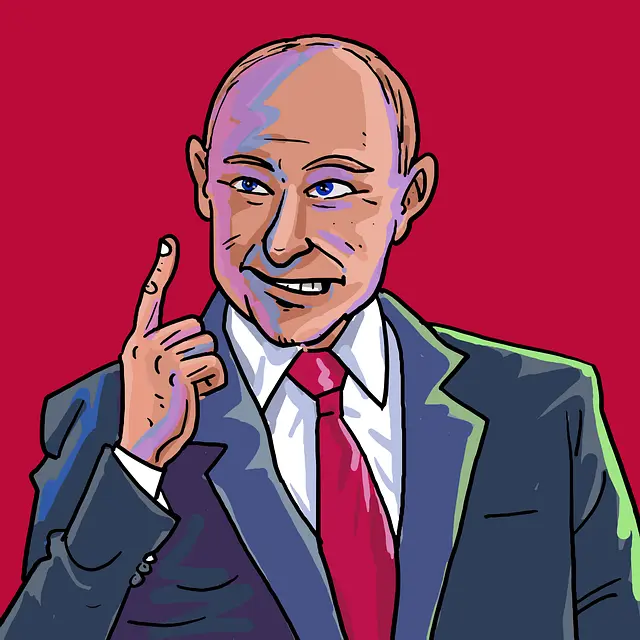
The current status of the Russia-Ukraine war and Putin’s long-term objectives for Eastern Europe.
(Image: Pixabay/@azmeyart-design)
The conflict in Ukraine has settled into a grinding war of attrition, marked by intense fighting concentrated along established front lines, particularly in the Donbas region. Despite significant military assistance provided to Kyiv by Western allies, Russia maintains control over substantial occupied territories. The current phase emphasizes logistics, artillery superiority, and fortification, with minimal rapid territorial shifts. This sustained stalemate strains the resources and political will of both belligerents and their respective alliances, positioning the conflict as a long-term geopolitical fixture rather than a short-term crisis.
President Putin’s long-term objectives extend far beyond immediate territorial gains in Ukraine. His strategic aim is rooted in the revisionist desire to reestablish a Russian sphere of influence in former Soviet states, fundamentally challenging the post-Cold War security architecture. These objectives include the effective neutralization of Ukraine as a sovereign entity capable of joining Western institutions, the weakening of NATO cohesion, and the creation of a permanent security buffer zone between Russia and the West. Achieving these goals requires maintaining political leverage over energy supplies and exploiting any perceived divisions or fatigue within the Western coalition supporting Ukraine.
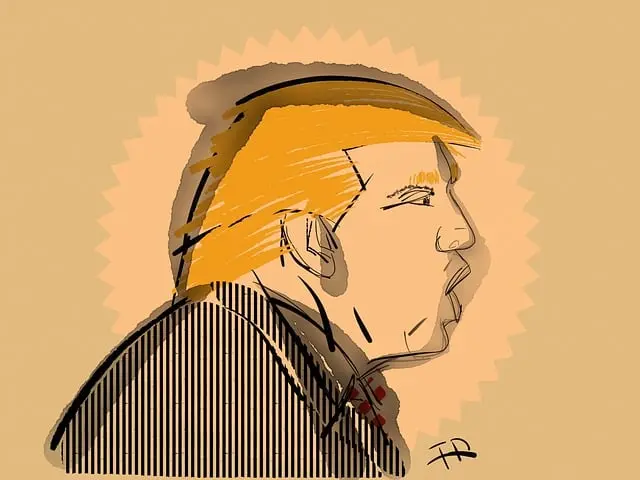
The potential shift in US foreign policy regarding NATO and European support under a possible Donald Trump return.
(Image: Pixabay/@hafteh7)
The possibility of a second Trump administration introduces substantial uncertainty into the architecture of international security, especially concerning NATO and US support for Ukraine. Historically, Donald Trump has employed a transactional view of alliances, often criticizing NATO members for insufficient defense spending and suggesting that US security commitments are conditional. This approach raises profound questions about the reliability of the US commitment to Article 5, the cornerstone of the transatlantic defense pact, potentially empowering adversaries and destabilizing European confidence.
A significant pivot in US foreign policy could immediately translate into a reduction or termination of military and financial aid to Ukraine, profoundly impacting Kyiv's ability to sustain its defense against Russia. Furthermore, if the US were to retract its security guarantees or demand substantial concessions from allies, Europe would be forced into a rapid and potentially chaotic realignment of its defense strategy. Such a scenario might compel European states to accelerate their own defense integration but would simultaneously expose them to immediate vulnerabilities during the transition period.
Escalating tensions between Iran and Western powers: examining the impact on global oil markets and regional stability.

(Image: Pixabay/@viarami)
Tensions between Iran and Western powers—including the US, Israel, and various European nations—remain a critical driver of global instability. These tensions stem from Iran's advancing nuclear program, its development of ballistic missiles, and the activities of its extensive network of proxy forces across the Middle East. Recent escalations, particularly those affecting international shipping lanes such as the Red Sea, highlight the risk of miscalculation leading to broader regional conflict that could draw in global powers.
The most immediate global impact of these escalating tensions is felt in the energy sector. Iran’s strategic position near the Strait of Hormuz—a crucial chokepoint for global oil transit—means that any significant regional conflict carries an immense risk premium for crude oil prices. Disruptions in this area, or even the threat thereof, introduce volatility and inflationary pressures across global economies, compounding the energy market strains already induced by the war in Ukraine. Maintaining stability in this region is therefore paramount to mitigating worldwide economic shock.
Europe's response to rising Russian aggression and the challenges of achieving self-sufficient defense within the EU.

(Image: Pixabay/@congerdesign)
In direct response to Russian aggression, European states have initiated a decisive, albeit complex, shift toward bolstering their collective defense capabilities. Major economies, notably Germany, have announced substantial increases in defense spending (the Zeitenwende), and the European Union has ramped up military aid coordination and procurement efforts for Ukraine. This unified response signifies a recognition that Europe must bear a greater responsibility for its own security, especially given the aforementioned uncertainties regarding future US foreign policy commitments.
However, the pursuit of genuine EU defense self-sufficiency faces considerable structural and political hurdles. Challenges include the fragmentation of national defense industries, a historical lack of interoperability between member state militaries, and heavy reliance on US technology and logistical support for high-end warfare capabilities. While the political momentum for strategic autonomy exists, achieving it requires sustained, coordinated investment, streamlined procurement processes, and a shared strategic vision that overcomes national industrial priorities—a monumental task that will span decades rather than years.
The role of disinformation and state-sponsored propaganda in shaping public opinion during major international conflicts.
(Image: Pixabay/@OpenClipart-Vectors)
Disinformation and state-sponsored propaganda have emerged as integral tools in contemporary international conflicts, functioning as a non-kinetic weapon aimed at undermining democratic stability and public consensus. Russia, in particular, has utilized sophisticated coordinated influence operations across digital platforms to spread narratives that justify its actions in Ukraine, distort war realities, and amplify existing political and social divisions within Western countries.
The strategic objective of this information warfare is two-fold: externally, to erode public and political support for continued financial and military aid to Kyiv; and internally (within the aggressor state), to solidify domestic backing for the conflict by manipulating perceptions of threats and successes. This constant barrage of manipulated content challenges the foundational trust necessary for democratic function and complicates the ability of governments to pursue coherent and sustained foreign policy objectives.
Economic ripple effects of prolonged global conflict, focusing on inflation and supply chain disruption across continents.
(Image: Pixabay/@RomanoWalloy)
The prolonged nature of geopolitical instability, combining the impacts of the war in Ukraine and tensions in the Middle East, has generated substantial and sustained economic ripple effects across continents. Conflicts have directly targeted or impacted critical commodity markets, causing significant spikes in the prices of natural gas, crude oil, and agricultural products like wheat and fertilizer, for which Russia and Ukraine are key global suppliers. This commodity inflation acts as a powerful driver of headline inflation worldwide, challenging the mandates of central banks already struggling to contain post-pandemic price increases.
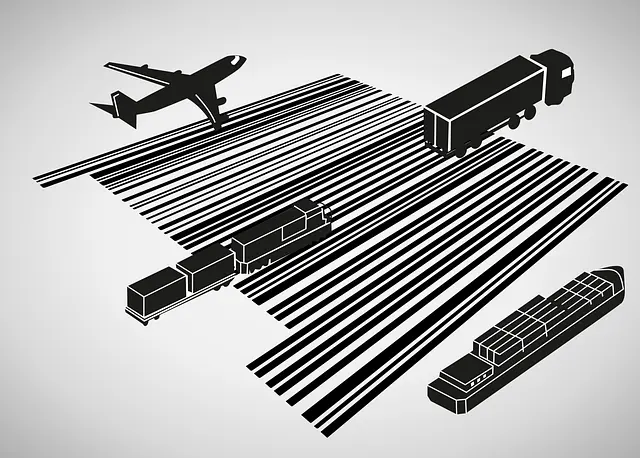
Beyond immediate price pressures, the era of prolonged conflict has accelerated a structural shift in global supply chains. Companies and nations are increasingly prioritizing security and resilience over pure efficiency, leading to strategies like "de-risking" or "friend-shoring." While intended to mitigate future disruption risks, this restructuring often involves higher production and transport costs, contributing to persistent inflationary tendencies and complicating global efforts to restore pre-crisis economic normalization and stability.
Conclusion
The geopolitical landscape is currently defined by a nexus of intersecting crises, where the outcome of the protracted conflict in Ukraine directly influences the stability of transatlantic relations, regional dynamics in the Middle East, and the health of the global economy. The potential for a fundamental shift in US foreign policy adds an element of profound systemic risk, compelling Europe to accelerate its defense maturity while simultaneously managing the pervasive threat of disinformation.
Addressing this period of global instability requires coordinated diplomacy, resilient economic policy, and a renewed commitment to democratic alliances. The decisions made concerning Kyiv, NATO’s future, and the management of tensions with Iran will ultimately determine whether the current global order can withstand the pressures exerted by revisionist powers and internal fragmentation.