

The global landscape remains in perpetual flux, demanding rigorous analysis to discern signals from noise. This week, the currents of global events underscore a profound interconnection between political, economic, and technological spheres. Verity Tide presents a comprehensive look at the six defining narratives shaping the world's consciousness and future trajectory.
Our analysis begins with the persistent Geopolitical shifts and international conflicts, tracking the delicate balance of power amidst ongoing military engagements and complex diplomatic maneuvers. Simultaneously, we dissect the confounding Economic trends and market volatility, where central bank decisions clash with persistent inflation pressures. Domestically, governments worldwide are grappling with Key legislative developments and political gridlock, influencing policy outcomes from infrastructure to healthcare.
Further reshaping our daily lives are stunning Breakthroughs in science and technology, particularly in AI and space exploration, which promise revolutionary changes but introduce new ethical quandaries. We also examine Major cultural moments and societal changes, reflecting shifts in public discourse and identity. Finally, we address the critical issue of Media integrity and the challenge of misinformation, evaluating the foundational struggle for truth in the digital age.
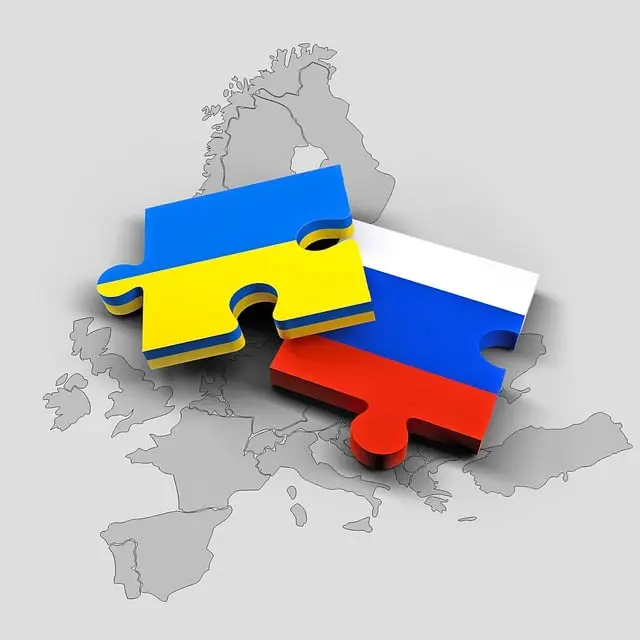
Geopolitical shifts and international conflicts: latest updates on major global hotspots and diplomatic efforts.
(Image: Pixabay/@Mediamodifier)
The global security environment continues to be dominated by complex, multi-layered conflicts that defy simple resolution. In Eastern Europe, the protracted conflict maintains a state of fragile equilibrium, characterized by intense localized fighting and the sustained application of economic sanctions by Western alliances. Diplomatic efforts, while ongoing, remain constrained by deeply entrenched positions, highlighting the limitations of multilateral institutions to enforce peace without significant consensus from key global powers.
Meanwhile, tensions in the Middle East have escalated following recent cross-border incidents, threatening broader regional destabilization. International mediators are intensely engaged in de-escalation efforts, focusing on humanitarian access and preventing a spillover effect into neighboring nations. These events underscore a structural shift in global power dynamics, where non-state actors and proxy conflicts increasingly dictate the pace and complexity of major international crises, challenging traditional great-power diplomacy.
Economic trends and market volatility: analysis of inflation, interest rates, and market performance.

(Image: Pixabay/@sergeitokmakov)
Global financial markets this week responded acutely to contradictory economic indicators: sustained labor market strength juxtaposed with persistently elevated core inflation figures. Central banks, notably the Federal Reserve and the European Central Bank, remain focused on achieving the delicate balance between curbing price increases and avoiding a severe economic contraction. The current prevailing sentiment suggests that further interest rate hikes may be necessary, albeit tempered by concerns over burgeoning sovereign debt levels in several major economies.
Market volatility has been particularly pronounced in commodity sectors, with energy prices responding erratically to geopolitical tensions and production cuts. This environment has placed significant strain on consumer purchasing power and corporate margins globally. Investors are increasingly prioritizing defensive sectors, seeking stability amidst uncertainty, and waiting for clearer forward guidance regarding the eventual timeline for policy normalization and sustained disinflation.
Key legislative developments and political gridlock in major world governments.

(Image: Pixabay/@QuinceCreative)
Political systems in several leading democracies are currently defined by legislative inertia, fueled by deepening partisan divides and fragmented coalition dynamics. In the United States, critical infrastructure and budget negotiations have stalled, raising the specter of partial government shutdowns and delaying crucial policy implementation. This gridlock reflects a broader difficulty in modern governance: translating complex societal needs into timely and effective statutory action when political capital is thinly spread.
Across Europe, the implementation of landmark regulatory packages, particularly concerning digital services and environmental standards, is proceeding slowly amidst fierce lobbying and internal resistance from member states. While these legislative frameworks aim to standardize vast markets, the speed of adoption is hampered by the need to reconcile diverse national economic interests. The delay in consensus often means that intended policy benefits—such as enhanced competitiveness or consumer protection—are deferred, challenging public trust in political efficacy.
Breakthroughs in science and technology: recent discoveries in AI, space exploration, and medical research.

(Image: Pixabay/@WikiImages)
The pace of technological advancement continues unabated, fundamentally altering industrial and societal structures. In Artificial Intelligence, large language models (LLMs) have demonstrated leaps in capability, triggering renewed debate over regulatory frameworks needed to govern deployment, intellectual property, and mitigating bias. Key technological leaders are now heavily investing in next-generation computing architectures specifically designed to accelerate AI processing, signaling a deep commitment to this transformative technology.
Space exploration achieved notable milestones this week, driven primarily by private sector innovation. Successful tests of new reusable heavy-lift launch vehicles mark a significant step toward reducing the cost of access to orbit, facilitating ambitious future missions to the Moon and Mars. Concurrently, medical researchers have reported promising preliminary results in personalized therapeutic approaches utilizing gene editing technologies, offering hope for previously intractable diseases, though ethical scrutiny surrounding germline modification remains stringent.
Major cultural moments and societal changes: analysis of trending social issues and global events shaping public opinion.

(Image: Pixabay/@Pixelkult)
Societal trends are increasingly catalyzed and amplified by digital platforms, creating rapid shifts in public opinion and cultural consensus. This week, several high-profile global events—ranging from international sports championships to environmental protests—have galvanized widespread attention, illustrating the power of collective digital mobilization. These cultural moments often serve as critical inflection points, forcing institutions to respond quickly to public demands for change and accountability.
Analysis of current social issues suggests a growing divergence between generations regarding approaches to climate action and economic equity. Younger demographics are leveraging social media to advocate for systemic change, challenging established norms and demanding greater corporate social responsibility. This cultural momentum represents a significant, long-term force influencing political mandates and corporate strategy globally, moving beyond transient trends to establish enduring values.
Media integrity and the challenge of misinformation: evaluating how leading news organizations are covering contentious events.

(Image: Pixabay/@pixelcreatures)
The challenge of preserving media integrity in an era defined by rapid information diffusion and sophisticated deepfakes has reached a critical juncture. Leading news organizations are investing heavily in verification tools and source authentication protocols to combat the systemic spread of misinformation, particularly regarding contentious geopolitical and political narratives. However, the fundamental erosion of trust in institutional media remains a major hurdle, exacerbated by algorithmic echo chambers that reinforce polarized viewpoints.
The current landscape demands heightened transparency from journalists regarding their reporting methodologies and funding sources. Organizations that commit to clear editorial standards and verifiable fact-checking are finding paths to retain credible audiences, but they face relentless competition from low-cost, high-volume partisan content creators. The ongoing struggle for truth requires not only technological solutions but also increased media literacy among the public to distinguish authoritative reporting from deliberate falsehoods.
The six defining narratives of the week—from the complexity of global conflicts to the rapid evolution of AI and the essential battle for media credibility—underscore an intensely interconnected global reality. Navigating this environment requires constant vigilance and a comprehensive understanding of how political, economic, and technological forces intersect.
The ability of global societies to progress hinges upon effective governance capable of managing simultaneous crises—whether stabilizing volatile markets, legislating for technological advancement, or safeguarding the flow of accurate information. As we move forward, these six pillars will continue to serve as the critical indicators of global stability and the direction of future change, demanding sophisticated analysis and thoughtful leadership from all stakeholders.