

The contemporary global landscape is defined by its rapid pace, driven by the relentless 24-hour news cycle. This constant flow of information necessitates a critical approach to understanding major global shifts, from complex diplomatic maneuvers and escalating international conflicts to the subtle yet profound changes in the global economy.
This article provides an analytical overview of the most pressing issues currently dominating the public sphere. We will dissect recent geopolitical tensions, evaluate volatility across key economic sectors, explore the ethical frontiers of the digital revolution—specifically focusing on AI and misinformation—and review the critical path forward regarding climate action. Furthermore, we examine the mechanisms by which media consumption habits, particularly through news aggregators, are fundamentally reshaping public perception, alongside an analysis of significant national policy changes impacting social structures.
Analysis of the latest diplomatic shifts and ongoing international conflicts

(Image: Pixabay/@Mediamodifier)
The global geopolitical map continues to exhibit profound instability, marked by shifts in traditional alliances and the emergence of new spheres of influence. Recent diplomatic efforts have been characterized by high-stakes negotiations aimed at de-escalation in protracted regional conflicts, often yielding fragile ceasefires rather than comprehensive peace agreements. These discussions frequently involve major powers navigating intricate security dilemmas, where the pursuit of national interests often collides with international stability mandates.
Ongoing international conflicts, whether conventional or hybrid, continue to produce significant humanitarian and economic reverberations. Analysis indicates a trend toward weaponized interdependence, where economic tools and information warfare are increasingly prioritized alongside traditional military capabilities. Understanding these shifts requires examining the long-term strategic goals of key state actors and the underlying ideological and resource-based drivers fueling these persistent conflicts.
Key economic indicators and market volatility: Understanding the recent shifts in global trade
(Image: Pixabay/@3844328)
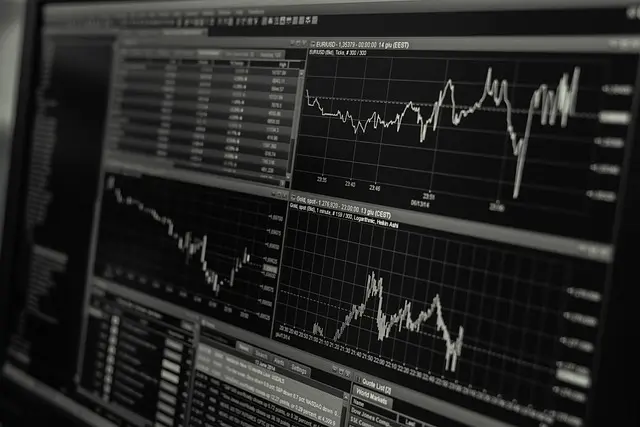
Global financial markets remain highly sensitive to macroeconomic indicators, reflecting a period of sustained volatility driven primarily by stubborn inflation rates and responsive central bank monetary policies. The rapid cycle of interest rate hikes across developed economies, while intended to cool price pressures, has introduced considerable uncertainty regarding future growth forecasts and investment climates. Supply chain resilience, still recovering from pandemic-era disruptions, faces new challenges from geopolitical fragmentation and targeted trade restrictions, impacting everything from raw materials to finished goods.
Recent shifts in global trade reflect a movement away from hyper-globalization towards regionalization and "friend-shoring." Nations are reassessing dependencies on single foreign suppliers, leading to diversification strategies and increased scrutiny of critical technologies and resource pipelines. These changes are reshaping bilateral and multilateral trade agreements, signaling a strategic pivot designed to enhance economic security at the expense of maximized efficiency, a trend that warrants continuous monitoring by both governmental and corporate entities.
The digital revolution and its ethical challenges: Examining privacy, AI regulation, and misinformation

(Image: Pixabay/@geralt)
The accelerating digital revolution, particularly in the realm of Artificial Intelligence (AI), presents transformative opportunities alongside significant ethical quandaries. The widespread adoption of generative AI tools has foregrounded urgent debates concerning intellectual property rights, labor displacement, and the potential for algorithmic bias to perpetuate societal inequalities. Regulatory bodies globally, from the European Union's comprehensive AI Act to emerging frameworks in North America and Asia, are grappling with how to foster innovation while establishing robust guardrails against misuse.
Data privacy remains a paramount concern in an increasingly surveilled digital environment. Consumers and regulators alike are demanding greater transparency regarding data collection practices and cross-border transfers. Simultaneously, the challenge of misinformation and disinformation continues to erode public trust in institutions and democratic processes. The sophistication of deepfake technology requires media outlets and technological platforms to develop advanced verification methods to preserve the integrity of the public discourse.
Urgent climate action updates: reviewing recent international summits and significant weather events

(Image: Pixabay/@geralt)
Climate change remains an existential threat, and the urgency of the situation is frequently underlined by increasingly severe and unpredictable weather events worldwide. Recent international climate summits (such as the annual COPs) have demonstrated mixed results: commitments to phasing out fossil fuels are often tempered by national economic realities, leading to continued negotiation bottlenecks over funding mechanisms for adaptation and mitigation in developing countries.
Despite these diplomatic challenges, progress is evident in the private sector’s commitment to the renewable energy transition. Investment in green technologies, including battery storage and sustainable infrastructure, has reached record levels. However, experts emphasize that current national commitments still fall short of the targets required to limit global warming to 1.5°C above pre-industrial levels, necessitating accelerated, quantifiable policy implementation across all sectors.
How news aggregators reshape public perception: A critical look at source reliability and algorithmic bias
(Image: Pixabay/@tiday)
The mechanism by which most citizens now consume information has fundamentally shifted due to the dominance of news aggregators and social media platforms. These services utilize proprietary algorithms designed primarily to maximize engagement, often prioritizing emotionally charged or sensational content over factual rigor. This algorithmic curation has a demonstrable effect on public perception, often leading to the formation of "echo chambers" where individuals are only exposed to information confirming existing biases, thereby polarizing political and social dialogue.
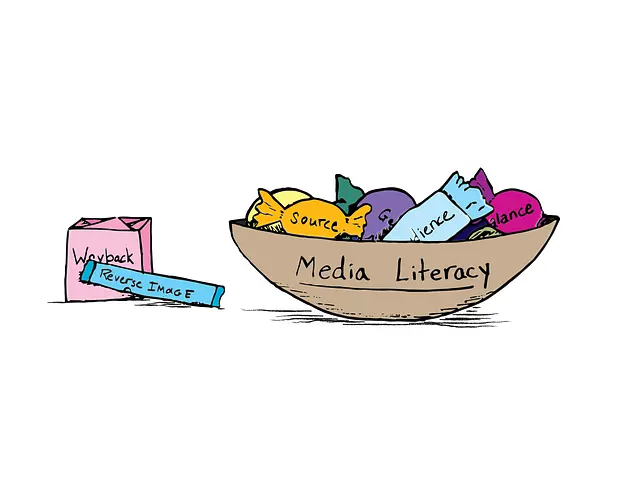
The reliance on aggregators also poses significant challenges to journalistic integrity and source reliability. Traditional media organizations struggle to compete for attention and revenue in an ecosystem that often rewards speed over accuracy. Addressing this requires greater investment in media literacy education, empowering the public to critically evaluate the provenance and editorial standards of the content they consume, recognizing the inherent bias present in algorithmic content delivery systems.
Major national policy changes and their social repercussions: Updates on healthcare, education, and labor laws

(Image: Pixabay/@geralt)
Domestically, nations are implementing crucial policy reforms intended to address structural social and economic challenges. In healthcare, ongoing debates center on accessibility, cost containment, and the expansion of coverage, often involving complex legislative battles over public versus private sector involvement. Changes to educational policies, including curriculum reform and funding allocations, aim to adapt national workforces to the demands of the digital economy, focusing increasingly on STEM fields and vocational training.
Labor law adjustments reflect a response to evolving work patterns, including the rise of the gig economy and calls for greater worker protections amidst high inflation. Discussions concerning minimum wage hikes, flexible work arrangements, and collective bargaining rights are generating significant social repercussions, redefining the relationship between employers and employees and impacting the economic security of millions. These national decisions, while localized, often serve as precedents for international policy discussions.
Conclusion
Navigating the contemporary 24-hour news cycle requires more than passive consumption; it demands rigorous analysis and critical engagement. The interconnected nature of global challenges—from diplomatic conflicts and economic volatility to technological ethics and climate crises—means that events in one domain rapidly influence all others. The speed of information flow, driven by digital platforms, compounds this complexity, making the task of distinguishing signal from noise more difficult than ever.
For citizens to remain well-informed and capable of participating meaningfully in public life, it is essential to approach all information with skepticism, seek diverse perspectives, and recognize the systemic forces—algorithmic bias, geopolitical maneuvering, and market pressures—that shape the news delivered to us daily. Only through persistent, critical analysis can the public effectively interpret the rapid shifts defining the global environment.