
The global geopolitical landscape is currently defined by shifting alliances, intense conflict, and the looming shadow of domestic political change in major world powers. Central to this uncertainty is the potential return of former U.S. President Donald Trump, whose “America First” agenda promises a fundamental reevaluation of long-standing American commitments abroad, particularly concerning NATO and aid to Ukraine.
This article provides a neutral, journalistic analysis of how the possibility of a Trump presidency is already influencing strategic decisions from Moscow to Tehran and across European capitals. We examine the current calculus driving Vladimir Putin's military objectives, how Europe is racing to bolster its own strategic autonomy, the deepening military cooperation between Iran and Russia, and the ongoing domestic political battles in Washington over foreign intervention. Ultimately, we seek to forecast the critical turning points expected in 2024 and 2025.
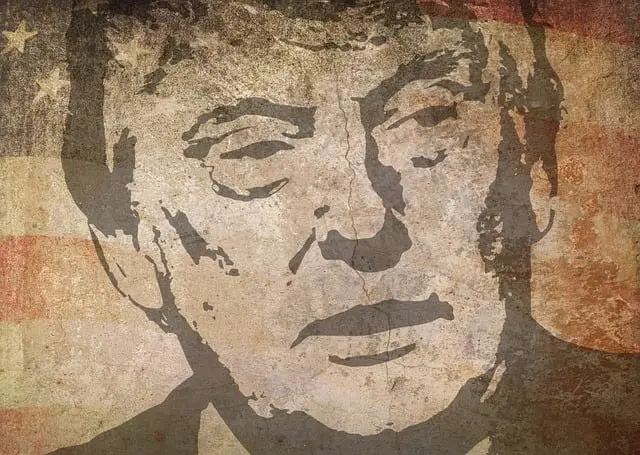
Donald Trump's Proposed Policy Shifts: Analyzing potential changes in US support for Ukraine and NATO alliances.

(Image: Pixabay/@geralt)
Donald Trump has consistently expressed skepticism regarding the value of established multilateral institutions, most notably the North Atlantic Treaty Organization (NATO). His past rhetoric, which questioned the necessity of Article 5 (the collective defense clause) and threatened to withdraw the U.S. from the alliance, has resurfaced as a primary concern for European allies. Should Trump secure a second term, many analysts anticipate a rapid reduction in U.S. military and financial contribution to Ukraine, coupled with pressure on NATO members to significantly increase their own defense spending or risk U.S. disengagement.
The potential policy pivot from unconditional support to transactional engagement is creating immense strategic instability. European nations are now planning for worst-case scenarios, including a complete cessation of American security guarantees, forcing them to accelerate domestic arms production and procurement. This uncertainty undermines Ukraine’s long-term planning, as the continuation of vital ammunition and economic aid hinges precariously on the outcome of the U.S. presidential election cycle.
Furthermore, a shift toward isolationism in Washington could embolden adversarial powers who perceive a weakening of the Western democratic bloc. Experts suggest that a less predictable U.S. foreign policy environment could lead to a proliferation of smaller, localized crises as regional actors attempt to test the limits of American influence and European unity, potentially stretching limited Western resources even thinner.
Putin's Current Calculus: Assessing the military and political objectives driving Russia's strategy in Ukraine and its implications for Europe.
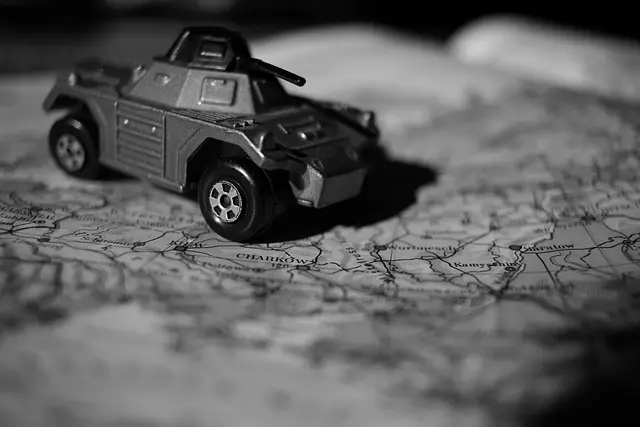
(Image: Pixabay/@Joa70)
Vladimir Putin’s strategy in Ukraine is currently defined by a patient, attrition-based approach, designed to withstand Western sanctions and outlast Western political will. Militarily, Russia continues to focus on incremental territorial gains, particularly along the eastern and southern fronts, prioritizing the consolidation of control over the regions illegally annexed. The key objective is to stabilize the front lines and establish an advantageous position before any potential future negotiations, ensuring that Russia holds maximum leverage.
Politically, Russia’s primary goal is to fracture the unified front demonstrated by the U.S. and Europe since 2022. The anticipated policy changes stemming from the U.S. election are factored heavily into Moscow’s strategic calculus. Putin likely views the potential reduction or halt of American aid as the single greatest vulnerability for Kyiv. Therefore, the current Russian strategy involves maximizing damage and stretching Ukrainian resources until the political landscape in Washington clarifies, potentially offering a window for a favorable ceasefire or peace deal driven by Ukrainian exhaustion.
European Defense Spending and Autonomy: How the continent is reacting to the conflict and preparing for future security challenges.

(Image: Pixabay/@AlLes)
The ongoing war in Ukraine, coupled with fears of U.S. strategic abandonment, has acted as a profound catalyst for change across European defense ministries. Many nations that historically under-invested in military capabilities are now aggressively pursuing the NATO target of spending 2% of GDP on defense. Countries like Germany have established special funds to modernize their militaries, marking a historical reversal of post-Cold War defense policies. This surge in spending is driving massive investments in artillery, air defense, and infrastructure resilience.
Beyond increasing budgets, the concept of "European strategic autonomy" has gained significant traction. This involves enhancing the European Union's ability to act independently of the U.S. in security matters, ranging from independent intelligence capabilities to integrated arms production within the continent. The goal is not necessarily to replace NATO, but to establish a robust European pillar that can guarantee the continent’s security, even in the event of U.S. disengagement or policy volatility.
This push for greater autonomy requires complex coordination among EU member states regarding procurement standardization and joint military deployments. While challenges remain concerning funding mechanisms and conflicting national interests, the unifying factor—the palpable threat from the East and uncertainty from the West—is driving unprecedented speed in defense integration and planning for long-term security challenges far beyond the immediate crisis in Ukraine.
The Iran-Russia Axis: Examining the deepening cooperation between Tehran and Moscow and its impact on global stability.
(Image: Pixabay/@Kaufdex)
A critical development parallel to the conflict in Ukraine is the hardening of the strategic and military alignment between Iran and Russia. This axis is fundamentally transactional: Russia gains access to vast supplies of Iranian-made weapons, primarily Shahed kamikaze drones, crucial for striking Ukrainian infrastructure, while Iran receives advanced Russian military technology, potentially including fighter jets and air defense systems that enhance Tehran's defensive capabilities against regional adversaries.
The collaboration extends beyond arms sales; it includes economic cooperation aimed at circumventing stringent Western sanctions. Both nations are increasingly trading outside the dollar-based system, relying on domestic currencies and opaque payment mechanisms. This deepening partnership poses a significant challenge to global stability, strengthening two regimes fundamentally opposed to the current U.S.-led international order and linking conflicts in Eastern Europe with instability in the Middle East.
War as Political Fodder: The domestic political debates in the US regarding funding, sanctions, and foreign intervention.

(Image: Pixabay/@ZT_OSCAR)
In the United States, the funding of the war in Ukraine has evolved from a bipartisan consensus into one of the most polarizing domestic political issues. The debate is less about the efficacy of aid and more about the fundamental division between traditional interventionist foreign policy and a growing isolationist sentiment within the Republican Party, championed by the "America First" movement.
Congressional debates over sanction regimes and aid packages are increasingly being leveraged for domestic political gains. Opponents of aid often link foreign expenditures to border security failures or domestic spending priorities, turning crucial security assistance into a contentious bargaining chip. This pattern of utilizing foreign crises as fodder for internal political battles creates delays in aid delivery and sends mixed signals to allies and adversaries alike about the reliability of U.S. commitments.
This politicization has real-world consequences on the battlefield, where gaps in aid shipments translate directly into ammunition shortages for Ukrainian forces. The stop-start nature of U.S. funding cycles highlights how domestic political maneuvering now directly impacts the ability of foreign partners to prosecute conflicts, effectively injecting U.S. electoral cycles into the operational planning of allied and hostile powers worldwide.
Forecasting 2024/2025: Expert predictions on potential ceasefires, escalations, and the role of upcoming elections in global crises.

(Image: Pixabay/@Clker-Free-Vector-Images)
The immediate outlook for the Russia-Ukraine conflict hinges heavily on the political timelines of Western nations. Most expert predictions suggest that 2024 will remain a year of grinding conflict, marked by static front lines and intense shelling, as both sides wait for clarity post-U.S. election. A significant Russian offensive aiming for a strategic breakthrough is unlikely unless Western support collapses entirely before early 2025.
Forecasting a decisive shift, analysts look toward the period following the U.S. inauguration. If the current administration continues, robust aid is expected to resume, enabling Ukraine to stabilize and potentially launch localized counteroffensives. Conversely, if U.S. policy dramatically changes, a Russian escalation or a push for a negotiated ceasefire highly favorable to Moscow becomes significantly more likely. The pivotal role of the U.S. electoral calendar means that true peace or major escalation is generally forecasted for 2025, rather than the immediate future.
Conclusion
The shadow cast by the potential return of Donald Trump has become a decisive element in global strategic planning, forcing both allies and adversaries to redefine their security assumptions. From the rapid militarization efforts across Europe to the calculated patience exhibited by the Kremlin and the deepening ties between Russia and Iran, the geopolitical world is bracing for radical shifts.
The coming years will test the resilience of alliances, the efficacy of economic sanctions, and the willingness of democracies to bear the long-term cost of collective security. The outcome of the domestic political debates in Washington holds the key to whether the current international order will maintain its cohesion or fragment under the pressure of isolationist tendencies and emboldened authoritarian axes.