

Welcome to a special edition of Verity Tide Exclusive, where we dissect the major forces shaping the global political landscape. The interplay between national legislative action, international diplomacy, governmental integrity, and shifting economic policies creates a volatile but critical environment for citizens and markets alike.
This report offers a comprehensive analysis, starting with the gridlock and progress within national legislatures over critical bills, followed by the concrete outcomes of the latest high-stakes international summits. We will also examine the erosion of public trust caused by ongoing government scandals, review expert projections for upcoming electoral cycles, and detail how major economic policy shifts are impacting everyday consumers. Finally, we assess the governmental reaction to burgeoning social movements that are demanding immediate change.
Understanding these interlocking dynamics is essential for navigating the current era of heightened political activity. Our journalistic approach aims to provide clarity and context to these complex developments, ensuring our readers remain informed about the decisions that profoundly affect their lives.
Major legislative debates: analysis of key bills currently being processed in the national legislature.
(Image: Pixabay/@12019)
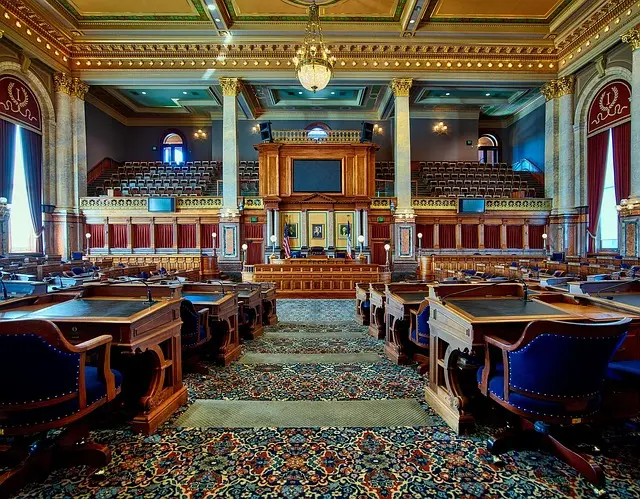
The national legislative calendar is currently dominated by two contentious pieces of proposed law: the Comprehensive Infrastructure Renewal Act (CIRA) and the Climate Transition Bill (CTB). CIRA, designed to inject trillions into public works and digital infrastructure, faces bipartisan disputes primarily over funding mechanisms—specifically, whether to raise corporate taxes or rely solely on long-term government bonds. Progress has been slow, marked by numerous committee revisions and procedural delays, reflecting deep ideological divisions regarding fiscal responsibility and governmental debt.
The CTB, aimed at meeting stringent international emissions targets, has spurred fierce lobbying from the energy sector and environmental groups. The bill includes provisions for carbon pricing, renewable energy subsidies, and phasing out fossil fuel dependencies. While the majority party champions its necessity for future global competitiveness, opposition critiques focus on the immediate economic burden and the potential displacement of workers in traditional energy industries. These debates illustrate the balancing act between long-term national security priorities and short-term economic stability.
The outcome of these legislative battles will set the policy direction for the nation for the next decade. Analysts suggest that significant compromises will be necessary for CIRA to pass before the recess, likely watering down some key provisions. The CTB, however, may face a more protracted fight, potentially leading to its fragmentation into smaller, more politically palatable components before any substantial progress is achieved.
International summit outcomes: results and implications of the latest meetings between world leaders.

(Image: Pixabay/@geralt)
The recent G20 summit concluded with mixed results, characterized by fragile agreements on global economic stability but notable discord over geopolitical conflicts. Leaders managed to solidify a commitment to stabilize global supply chains following persistent post-pandemic disruptions and agreed in principle to coordinate efforts against rising inflation. However, key differences persisted regarding the approach to handling ongoing regional wars, with several nations issuing strong, separate statements rather than a unified declaration.
The most significant outcome was the "Global Digital Security Accord," signed by twelve nations, aimed at standardizing cybersecurity protocols and establishing rapid-response mechanisms for state-sponsored cyberattacks. This accord represents a crucial step toward international cooperation in a domain previously dominated by individual national defense strategies. Experts view this as a necessary, albeit late, recognition of the interconnected digital threats facing major economies.
The summit’s limited progress on climate finance remains a point of concern. While developed nations reaffirmed prior commitments to aid developing economies in transitioning to clean energy, the proposed timelines and funding volumes fell short of the expectations set by climate advocates. The lack of stronger, concrete financial guarantees suggests that future climate negotiations will continue to be strained by the unequal distribution of financial responsibility.
Scandal and ethics in government: recent investigations and their effect on public trust.

(Image: Pixabay/@DAVECTOR)
Recent months have seen an increase in high-profile investigations targeting governmental misuse of public funds and conflicts of interest. The ongoing probe into the Department of State Contracts, alleging improper awarding of lucrative deals to donor-affiliated corporations, has dominated news cycles. While formal charges are pending, the sustained media coverage of internal ethics reports has severely damaged the public perception of transparency within the administration.
The immediate consequence of these scandals is a measurable decline in public trust in key political institutions. Polling data indicates that approval ratings for both the legislative body and the executive branch have dropped significantly, with citizens expressing cynicism about the integrity of their elected officials. This environment of heightened scrutiny empowers opposition parties and fuels populist sentiments focused on "draining the swamp."
The long-term implications involve the potential paralysis of policy-making. As officials become increasingly cautious and risk-averse under intense ethical scrutiny, the speed and ambition of legislative initiatives often diminish. Furthermore, these ethical breaches distract from urgent policy matters, forcing the government to expend significant resources on damage control and internal compliance reviews rather than focusing on pressing national challenges.
Upcoming election projections: expert predictions and state-by-state analysis for the next major election cycle.

(Image: Pixabay/@planet_fox)
Political analysts are characterizing the upcoming major election cycle as highly unpredictable, driven by volatile voter sentiment regarding economic concerns and cultural debates. Current expert projections suggest that the legislative body remains sharply divided, with neither major party anticipated to secure a dominant majority. Key battleground states—particularly those struggling with persistent manufacturing job losses or rapid demographic shifts—will determine the final balance of power.
A state-by-state analysis highlights several critical races. In the Midwest, rural backlash against urban-focused climate and infrastructure policies is fueling strong incumbent challenges, whereas coastal areas are showing higher turnout among younger voters mobilized by social issues and concerns over democratic stability. These localized differences make aggregating national poll data particularly challenging, suggesting a highly fractured electoral map.
Crucially, the performance of third-party candidates and independent challengers is projected to be higher than in previous cycles. Dissatisfaction with the established political structure, amplified by recent ethical scandals, is driving moderate voters toward alternatives. This splintering of the vote could lead to tighter margins in marginal districts, increasing the complexity of predicting not only winners but also the subsequent governing coalitions.
Economic policy shifts: how recent governmental decisions are affecting markets and consumer prices.
(Image: Pixabay/@Mediamodifier)
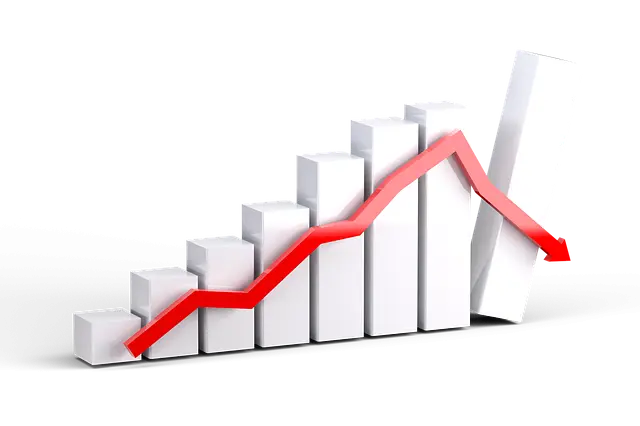
Recent governmental decisions regarding interest rate adjustments and fiscal stimulus withdrawals are creating significant ripples across global markets. Central banks, grappling with stubbornly high inflation, have maintained a restrictive monetary policy stance. This has led to increased borrowing costs for businesses and consumers, cooling the housing market and slowing investment growth. While the goal is price stability, critics argue that the aggressive tightening risks triggering a recession.
Simultaneously, targeted industrial policies—including subsidies for domestic semiconductor production and green energy technologies—are reshaping specific sectors. These policies aim to enhance national resilience and reduce dependency on foreign supply chains. While boosting domestic manufacturing, they also put upward pressure on labor costs and raw materials in specialized fields, contributing to localized inflation that counters the central bank’s broader efforts.
The cumulative effect on consumer prices is mixed but generally negative. Despite a slowing core inflation rate, essential goods like food and energy remain elevated due to geopolitical pressures and supply chain bottlenecks. Consumers are responding by drawing down savings and increasing reliance on credit, signaling ongoing financial stress that directly feeds into political dissatisfaction and influences electoral behavior.
Social movements and political response: the government's reaction to major protests and activist demands.

(Image: Pixabay/@3005398)
Major social movements advocating for climate justice and systemic equality have amplified their presence across urban centers, demanding concrete and immediate governmental action. The political response has been varied: some local authorities have engaged in dialogue and implemented minor policy changes regarding policing and housing, while the national government has largely maintained a stance of cautious acknowledgment mixed with heightened security measures.
A prominent example is the reaction to the climate movement, where activists have pressed for a total moratorium on new fossil fuel exploration. The administration has responded by creating an advisory panel on sustainable energy but has resisted radical legislative change, citing the need for energy security and economic pragmatism. This gap between activist demands and governmental action highlights a fundamental tension between electoral necessity and ideological commitment.
The government's strategy often involves attempting to co-opt moderate aspects of the movements’ agendas while marginalizing the more radical demands. However, this cautious approach risks further alienating younger and politically active demographics who view the established response as insufficient. The ongoing dialogue between activists and policymakers will be a defining feature of the political landscape, influencing how future bills and public safety measures are formulated.
Conclusion
The current political environment is defined by profound complexity and interconnected volatility. From the legislative trenches where critical infrastructure and climate bills face fierce opposition, to the tense international stage where world leaders navigate digital security and economic coordination, the demands on governing bodies are immense.
Domestically, the twin pressures of ethical scrutiny eroding public trust and significant economic shifts driving consumer anxiety are setting the backdrop for an unpredictable election cycle. These internal challenges are further complicated by robust social movements demanding accountability and faster change. Verity Tide will continue to monitor these developments, providing the in-depth, neutral analysis required to understand this dynamic era of global impact and political flux.
***